




Oyster Season in Baton Rouge
Baton Rouge is one of the best places in Louisiana to enjoy oysters.
Whether you're enjoying them with friends at a local restaurant or shucking fresh oysters at home, Gulf oyster season is something worth celebrating. Learn about what makes Louisiana Gulf oysters special, how they're prepared, and where to find them in Baton Rouge.

What are Louisiana Gulf Oysters?
Louisiana has been cultivating the Eastern oyster (Crassostrea virginica) for more than 200 years. Gulf oysters tend to be large, tender, meaty, and mild, as a result of the freshwater influence of the Mississippi River on coastal waters.
Early farmers found that transplanting seed oysters from reefs east of the Mississippi to lease beds on the western side improved both growth and flavor. Modern breeding programs continue that work today.
Many Gulf oyster growers now use Alternative Oyster Culture (AOC), also known as cage culture. Oysters are raised in floating or bottom cages attached to pilings, which can be adjusted to protect them from predators, fouling, and storm impacts.
When is Oyster Season in Louisiana?
Peak oyster season in Louisiana is from October through April. While oysters are available year-round at many restaurants, fall through spring is when Gulf oysters are at their best.
Ways to Eat Oysters
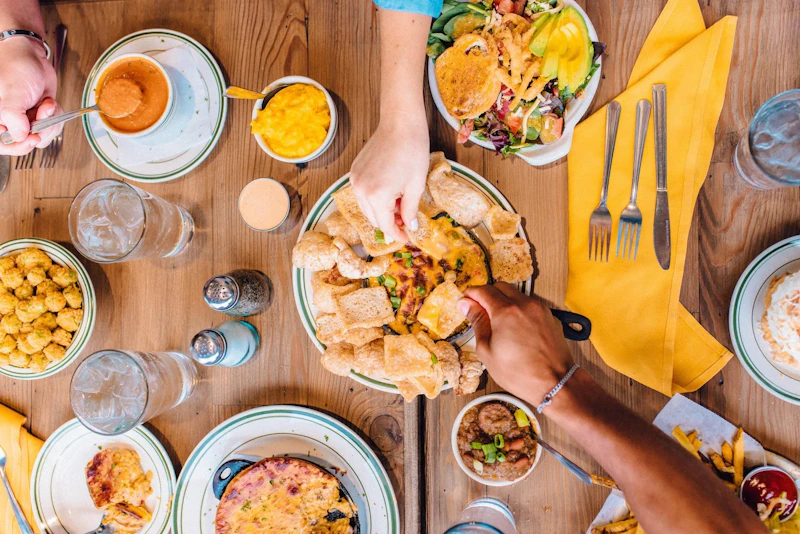
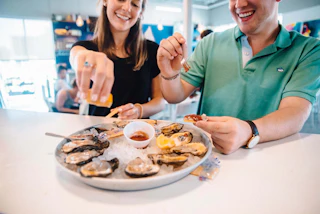
Gulf oysters are as versatile as they are delicious. In Baton Rouge, you'll find them served in preparations that range from beautifully simple to richly layered, each one rooted in Louisiana's culinary traditions. Here are some of the most popular ways to enjoy them:
- Raw on the Half Shell - Raw oysters served over ice, often with lemon wedges, hot sauce, or mignonette, a simple French condiment of minced shallots, cracked pepper, and vinegar.
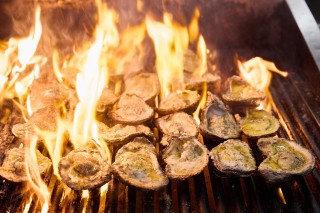
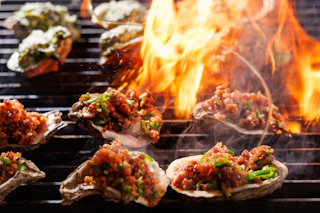
- Chargrilled - Half-shell oysters cooked over an open flame, basted in garlic-herb butter, and finished with grated cheese.
- Oysters Rockefeller - Half-shell oysters baked or broiled, topped with puréed spinach, herbs, butter, and breadcrumbs. Parmesan cheese and a touch of anise liqueur are traditional additions.
- Oysters Bienville - A New Orleans original featuring half-shell oysters topped with a savory mixture of shrimp, mushrooms, white wine, bell peppers, cream, and Romano cheese. Breadcrumbs go on top before the oysters are broiled until golden.
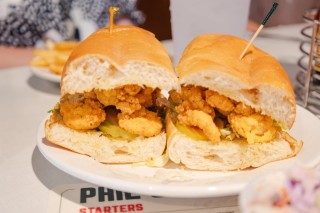
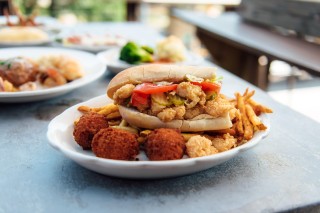
- Fried Oysters - Shucked, breaded, and fried until crispy outside and tender within. Enjoyed as an appetizer, a platter, or in a Po' boy.
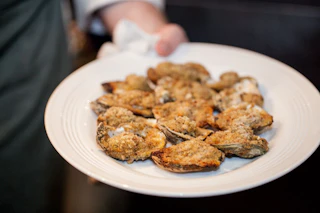
Best Restaurants for Oysters in Baton Rouge
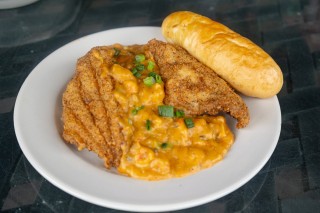
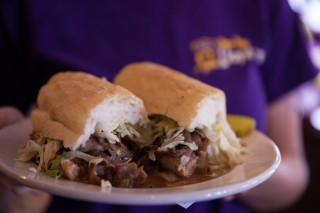
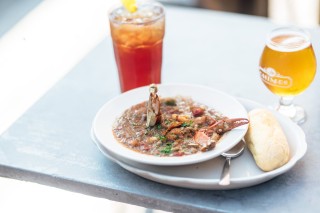
Baton Rouge has plenty of great spots to enjoy Gulf oysters. The restaurants below represent some local favorites, each with their own take on Louisiana's most celebrated mollusk.
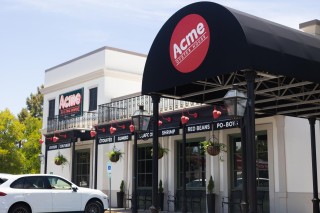
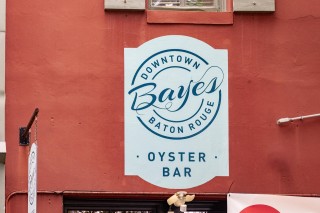
Where to Buy Fresh Oysters to Cook at Home in Baton Rouge
For those who prefer to cook at home, Baton Rouge has reliable sources for fresh, locally harvested Gulf oysters.
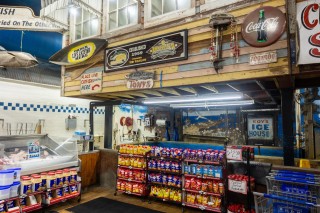
Tony's Seafood
Widely recognized as the largest seafood market in the Gulf South, Tony’s Seafood is a go-to for 32-pound bags of oysters in the shell, as well as fresh shucked oysters. All of their oysters are harvested from local Louisiana waters and sold fresh, never processed or pasteurized.
Heads & Tails Seafood
In addition to being a well-regarded restaurant, Heads & Tails sells fresh oysters for home use. Options include fresh shucked oysters and sacks of 100-count oysters in the shell, making it a good option whether you are cooking for two or hosting a backyard oyster shucking party.
Sustainability: Louisiana's Oyster Shell Recycling Program
The oyster's story in Louisiana doesn't end at the table. Through the Coalition to Restore Coastal Louisiana's Oyster Shell Recycling Program (OSRP), restaurants in Baton Rouge and New Orleans are recycling their discarded shells. Those shells are returned to the coast, where they are used to rebuild oyster reef habitat.
Since 2014, the program has recycled more than 15 million pounds of shells and created over 8,000 feet of restored reef along Louisiana's coastline. The reefs serve as natural buffers against erosion, storm damage, and rising sea levels, while also providing the structured habitat that young oysters need to grow. Every shell returned is an investment in the future of Louisiana's oyster tradition.



Related