




Discover the History of the Louisiana Capitol in Baton Rouge
Baton Rouge isn’t just the capital of Louisiana — it’s the stage where some of the state’s most defining historical moments have unfolded.
Central to that story are two iconic structures that symbolize Louisiana’s political and architectural legacy: Louisiana’s Old State Capitol and the modern Baton Rouge State Capitol. Together, these buildings tell a fascinating tale of ambition, resilience, and civic pride.

Louisiana’s Old State Capitol: A Castle on the River
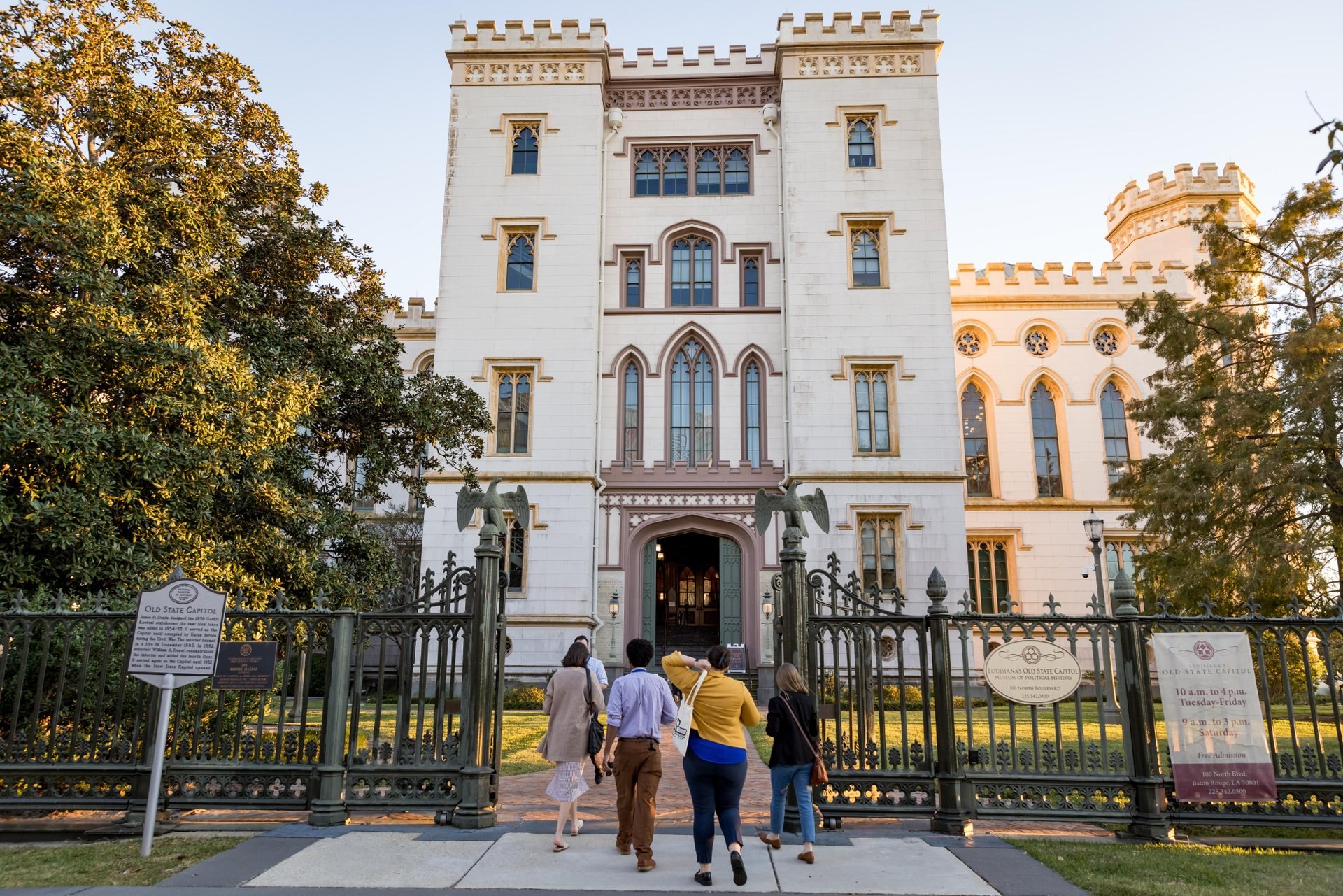
If you stroll along the Mississippi River in downtown Baton Rouge, you can’t miss the imposing, castle-like silhouette of Louisiana’s Old Capitol. Completed in 1852, this striking Baton Rouge Capitol building was designed in the Gothic Revival style, earning it nicknames like the “Castle on the River” and “Castle of Baton Rouge.”
It served as the Louisiana Capitol until the early 20th century and was the site of many critical decisions and debates. The building’s history is deeply tied to the Civil War, Reconstruction, and Louisiana’s return to prosperity. Though damaged and even set on fire during its lifetime, the Old Capitol was beautifully restored and now houses the museum of political history — a free and engaging stop for anyone interested in Baton Rouge’s history.
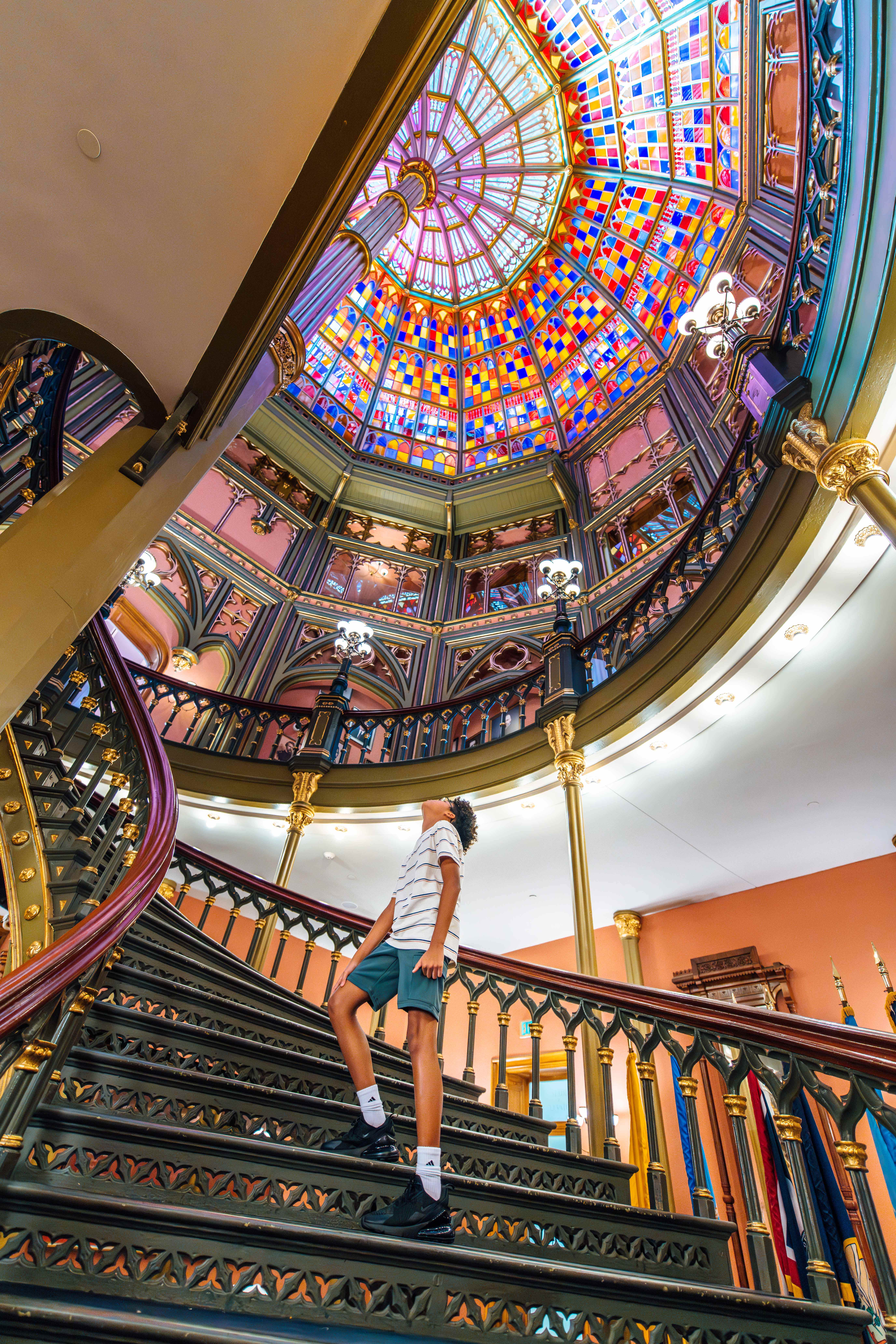
Inside, exhibits and immersive storytelling bring the state’s political past to life, while the grand stained-glass dome continues to awe visitors.
The New State Capitol: Huey Long’s Towering Vision
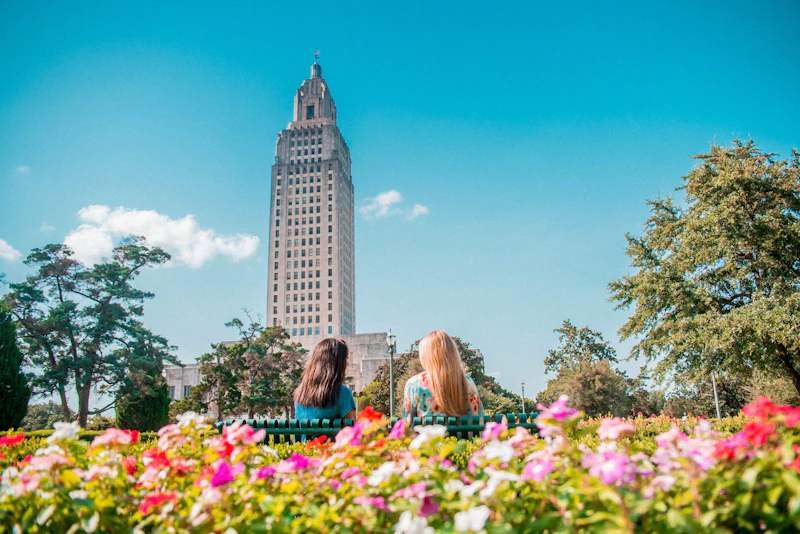
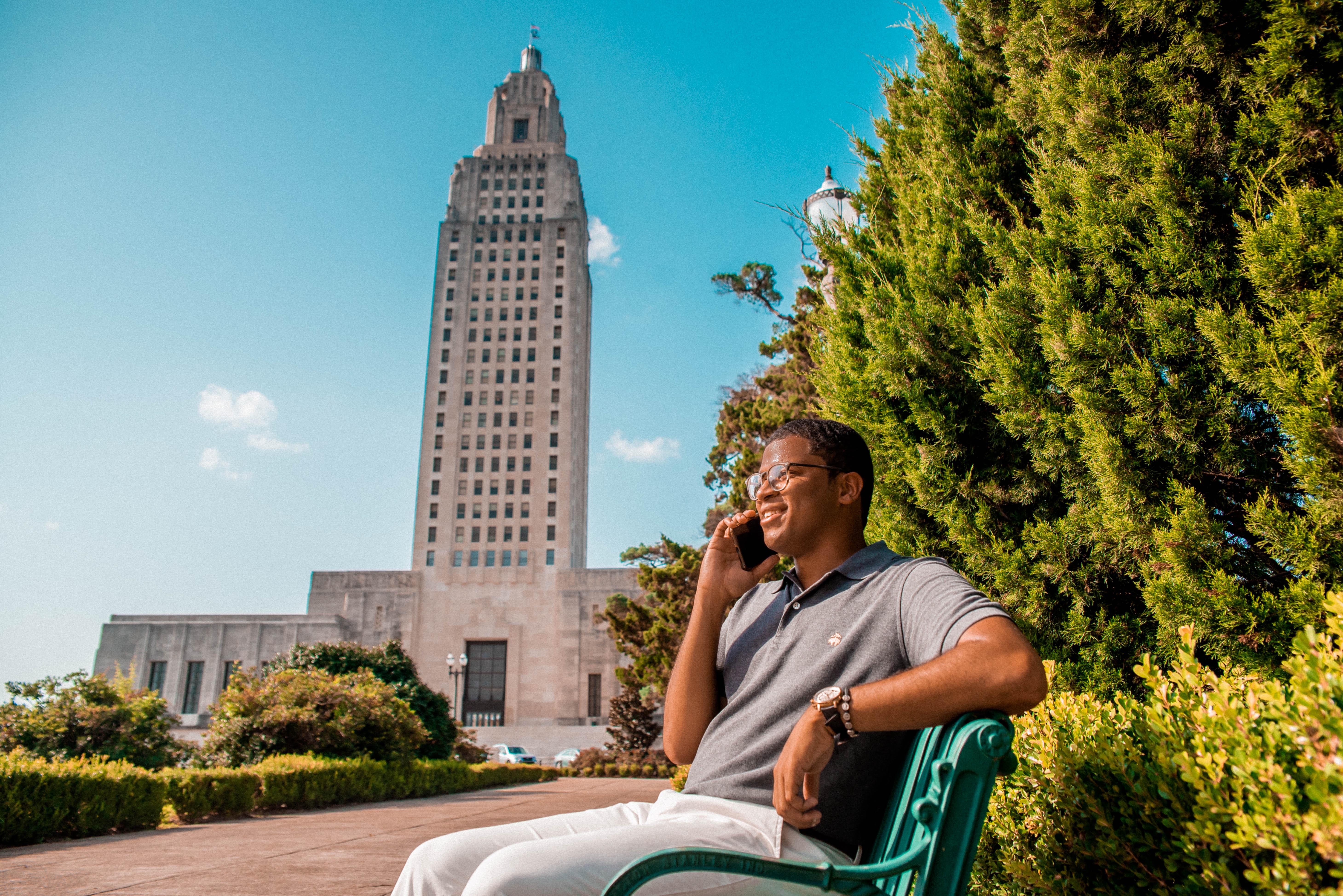
Just a short drive away, and walkable from the Old State Capitol Building, stands the current Louisiana Capitol Building, completed in 1932 under the leadership of Governor Huey P. Long. Designed to be taller than any other in the country, it reaches 450 feet with 34 stories, making it the tallest capitol building in the United States.
Built in just 14 months during the Great Depression, the structure was a testament to modernism and ambition. Today, it remains the seat of Louisiana’s government and an enduring symbol of the state’s forward momentum. Tragically, it was also where Huey Long was assassinated in 1935 — a pivotal moment in Baton Rouge history.
The building is open to the public and includes an observation deck with sweeping views of the city, a meticulously landscaped garden, and Long’s gravesite and statue that you can access every day of the week for free admission. Whether you’re a political buff or architecture lover, the New State Capitol in Baton Rouge is a must-visit. Note: The observation deck is currently being renovated and is not open to the public at this time.
A Living Legacy in Baton Rouge
These two landmarks represent the dual nature of Louisiana itself: deeply rooted in tradition yet always striving toward innovation. From the Gothic grandeur of Louisiana’s Old Capitol to the bold lines of the skyscraper-style New State Capitol, Baton Rouge showcases its past while embracing the future.
Exploring the Old State Capitol Museum or standing on the 27th-floor observation deck of the current Louisiana Capitol, visitors experience more than architecture. They step into the heart of Louisiana’s political and cultural identity. Whether you’re a history buff or a curious traveler, uncovering the story of Louisiana’s Capitol is a powerful way to connect with the soul of the state.