



Explore Baton Rouge's Black History Trail: 10 Must-See Stops
Baton Rouge’s story is deeply intertwined with the fight for freedom, equality, and cultural expression.
From groundbreaking Civil Rights milestones to vibrant contributions in art, music, and education, the city reflects a legacy built by generations of African Americans.
Today, exploring Baton Rouge’s Black history isn’t just about looking back; it’s about honoring the resilience, creativity, and leadership that continue to shape the Capital City.
To showcase Baton Rouge’s role in history, we’ve compiled 10 must-see stops along the Baton Rouge Black History Trail, each offering a glimpse into the city’s past and its impact on the future. Check out our list!

1. 1953 Bus Boycott Marker
Louisiana's Old State Capitol
100 North Blvd, Baton Rouge, LA 70801
The Baton Rouge Bus Boycott of 1953 marked the nation’s first Civil Rights bus boycott, organized by local leaders to challenge segregation and later inspiring Dr. Martin Luther King Jr. and the Montgomery movement.

2. A.Z. Young Park
800 Third Street, Baton Rouge, LA 70801
This park commemorates the historic 105-mile march from Bogalusa to Baton Rouge, led by activist A.Z. Young, the longest march of the Civil Rights Movement.
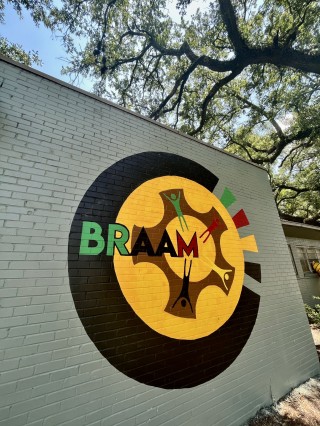
3. Baton Rouge African American Museum
805 Saint Louis Street, Baton Rouge, LA 70802
Founded by community leader Sadie Roberts-Joseph, this museum preserves African American history through powerful exhibits and cultural engagement.
4. City-Brooks Park
1515 Dalrymple Drive, Baton Rouge, LA 70808
Once home to Brooks Pool, a vital gathering spot for Black residents during segregation, the park now stands as a symbol of unity and inclusion.

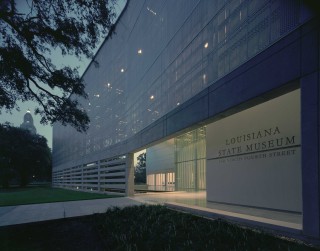
5. Capitol Park Museum
660 N. Fourth Street, Baton Rouge, LA 70801
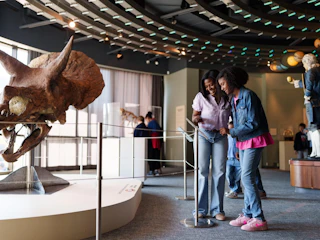
Explore Louisiana’s rich cultural heritage at this museum, featuring exhibits on jazz, Mardi Gras, and the diverse stories that shaped the state.

6. Kress Building
445 Third Street, Baton Rouge, LA 70801
In 1960, Southern University students staged a sit-in here to challenge segregation, sparking a wave of protests that defined Baton Rouge’s Civil Rights Movement.
7. Lincoln Theater (restoration in progress)
1305 Myrtle Walk Street, Baton Rouge, LA 70802
A cultural hub for Black audiences in the 1950s and ’60s, the Lincoln Theater hosted films and concerts without segregation and is now being restored.
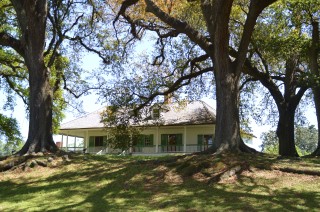
8. Magnolia Mound
2161 Nicholson Dr, Baton Rouge, LA 70802
This historic French Creole home, built in 1791, tells the complex story of plantation life and the enslaved people who lived there.

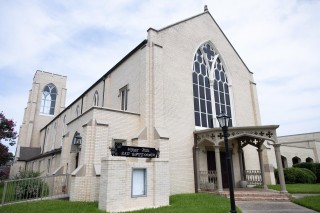
9. Mt. Zion First Baptist Church
356 T. J. Jemison Blvd., Baton Rouge, LA 70802
This historic church was the meeting place for the nation’s first bus boycott in 1953 and welcomed leaders like Dr. Martin Luther King Jr.

10. Southern University and A&M College
801 Harding Blvd., Baton Rouge, LA 70807
Founded in 1880, Southern University is the largest HBCU system in the U.S., home to world-class programs like the world renowned Human Jukebox and an impressive art museum.
Your journey doesn’t stop here! Download the full Baton Rouge Black History Trail and start exploring these incredible landmarks at your own pace. Prefer something in hand? Pick up a brochure at our downtown office and make history your next adventure!


Recommended Stories


Related